.webp)
Your guide to Psychiatric Services in Columbia, MD

If you live in or near Columbia and you wonder what your feelings or habits mean, this guide is for you. Here you will find clear signs to watch for, what care looks like, and how to take the first step. The focus is education in a professional voice so you can make informed choices about psychiatric services in Columbia, MD.

What psychiatric services include
Good care starts with a full evaluation. Your clinician listens to your story, reviews symptoms, and rules out medical causes. You may complete brief questionnaires. Your plan can include therapy, medication, skills training, and regular follow up. Many people do best with a mix of therapy and medication based on goals and needs. Federal guidance explains these options in plain language so you can prepare for your visit.
When to seek an evaluation in Columbia
Reach out if symptoms last more than a few weeks or make work school or home life much harder. Seek urgent help if you think about harming yourself or others. In the United States you can call or text 988 for immediate support at any time. You can also use the national treatment locator to find services by zip code.
Anxiety signs and what helps
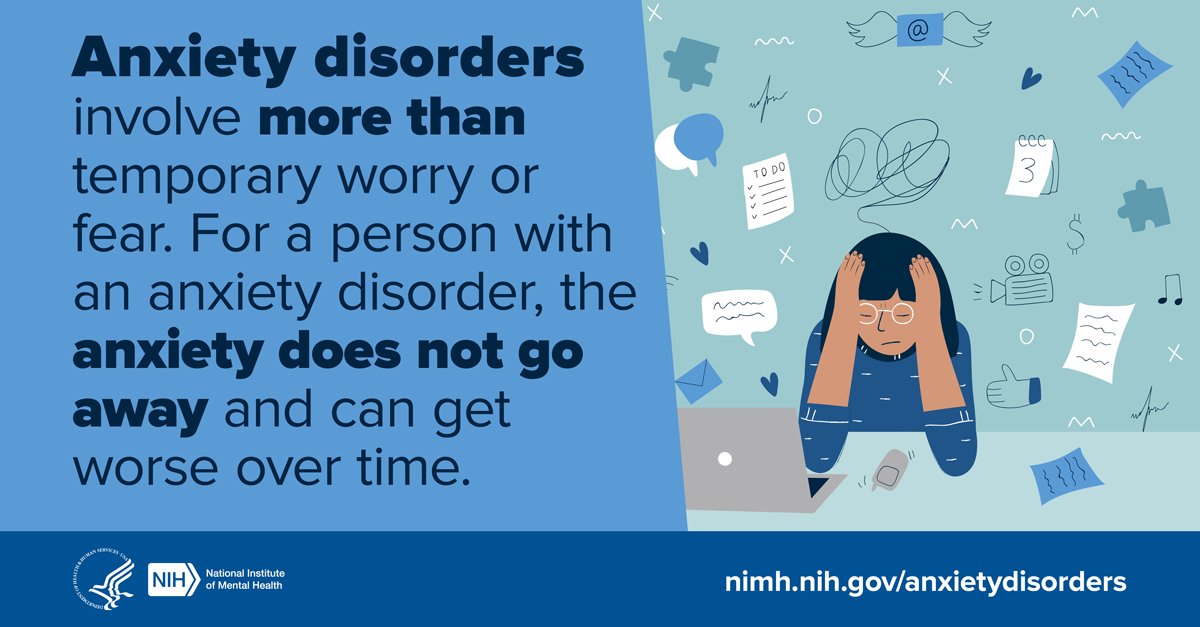
Anxiety becomes a disorder when worry or fear is hard to control and starts to limit daily life. Common signs include restlessness trouble sleeping a racing heart muscle tension or avoiding triggers. Evidence based care includes cognitive behavioral therapy and sometimes medication. NIMH offers clear pages that outline symptoms and treatments in simple terms.
Small steps help while you wait for care. Practice short exposures to feared situations and record small wins. Keep a brief sleep and worry log to share with your clinician. Many people recover with the right plan and steady practice. National data show that anxiety conditions are common and treatable.
ADHD across the lifespan
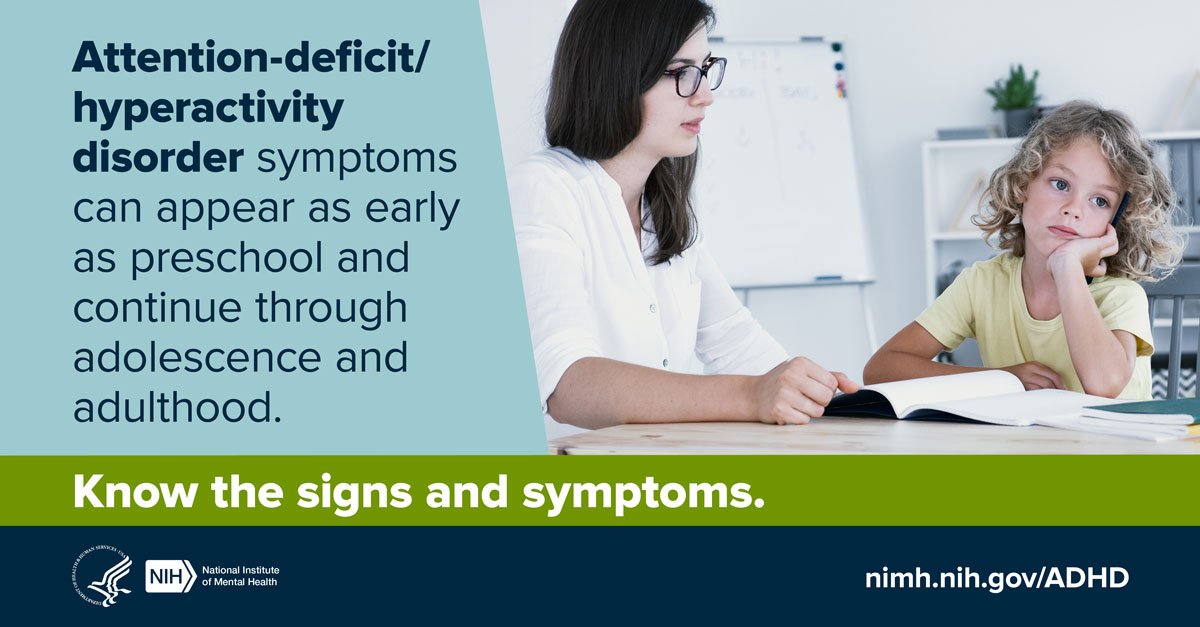
ADHD includes patterns of inattention hyperactivity and impulsivity that begin in childhood and can continue into adult years. Adults may notice missed deadlines lost items and trouble starting tasks. Children may fidget interrupt or struggle to follow instructions. Effective treatment can include skills based therapy school or workplace supports and medication when needed. NIMH and CDC provide practical overviews that explain these choices and how care is tailored.
Daily habits can reduce strain. Use a simple planner. Break work into short timed blocks. Keep a steady sleep schedule. These steps do not replace treatment but they make treatment work better.
Depression symptoms to watch for
Depression is more than a bad day. Core signs include low mood or loss of interest most of the day for at least two weeks. Many people also notice changes in sleep appetite energy focus or feelings of worthlessness. Evidence based treatments include therapy medication or a mix of both. Activity plans and social support often help. The NIMH depression pages explain symptoms and care in plain language so you can prepare for your first visit.
If you feel numb stuck or hopeless tell someone you trust today. Use 988 for real time support if you are in crisis. A trained counselor will listen and connect you with help.
Bipolar disorder overview
Bipolar disorder involves clear shifts in mood energy and activity. People cycle between manic or hypomanic highs and depressive lows. During a high you may feel unusually energized need little sleep talk more than usual or take risks. During a low you may feel very sad empty or slowed down. Bipolar disorder is treatable with ongoing care. Many people do well with mood stabilizing medication therapy sleep routines and family or peer support. NIMH provides detailed guides on patterns and treatment choices.
A simple mood and sleep chart can help you and your clinician spot patterns. Bring your chart to each visit so you can adjust the plan early and prevent relapses.
Trauma and trauma related disorders
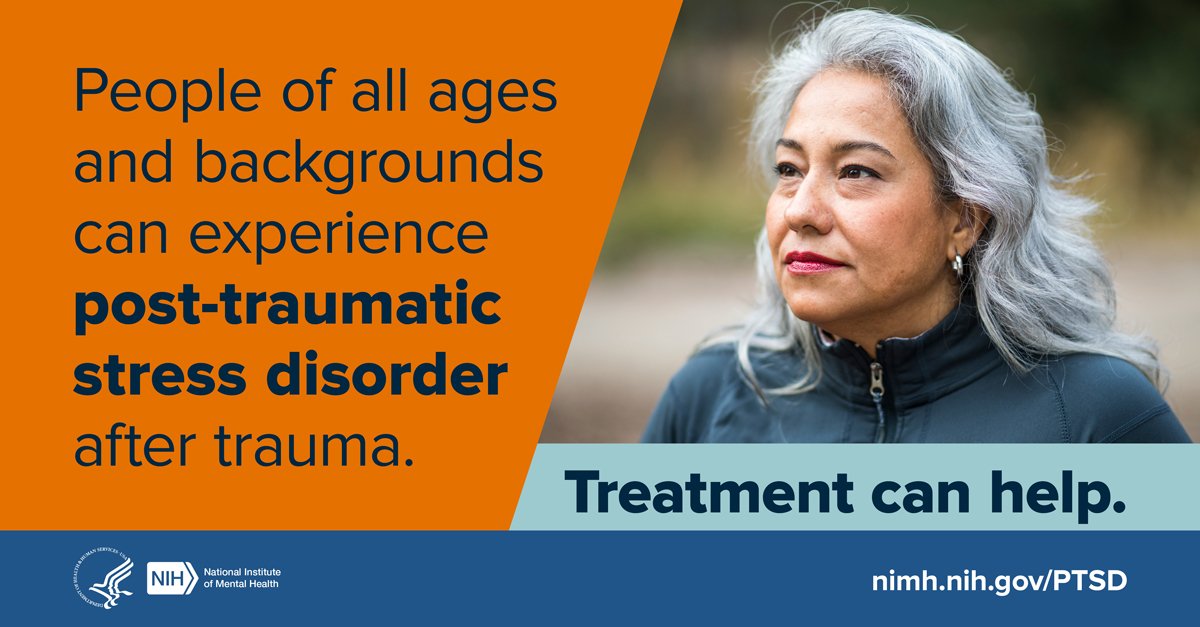
Most people who live through trauma recover with time and support. A smaller group develop post traumatic stress disorder. Common signs include upsetting memories or dreams strong reactions to reminders negative shifts in mood or beliefs and feeling on edge. Effective care includes trauma focused therapies such as cognitive processing therapy and prolonged exposure. Some people also benefit from specific medicines. NIMH explains what PTSD looks like and how treatment works.
If you wonder whether your reactions are typical after a painful event, read the NIMH overview then write down your main triggers and strengths. Bring that list to your first therapy session. It helps set clear goals.
Stress management basics
Stress is part of life, yet chronic stress can strain mood sleep and health. Evidence based coping skills include brief breathing breaks time outdoors regular movement journaling and short breaks from news and social media. Choose one or two skills and practice them each day. Even five minutes can help. The CDC lists simple ideas you can start now.
If stress from work or caregiving feels heavy, ask about programs that teach relaxation problem solving and time management. These programs can improve sleep and reduce symptoms when used with therapy or counseling. The CDC well being pages offer more tips you can try this week.
What to expect at your first visit
Here is a simple plan that many people in Columbia find helpful
Write your top three symptoms with one example for each
List your current medicines and vitamins
Note any family history of mental health conditions
Track sleep and energy for two weeks
Bring questions about therapy and medicines
Your clinician will explain options and side effects if medication is part of the plan. Ask how progress will be measured and how often you will meet. The goal is care that fits your life and values. Federal guides can help you learn these terms before you go.
Finding help near you
Use the federal treatment locator to search by zip code and filter for mental health services. This tool lists programs across the country and can help you compare options near Columbia. If you need urgent support call or text 988 for confidential help at any time.

Common questions from people in Columbia
Will I need medicine
Not always. Some people do well with therapy alone. Others improve most with a mix of therapy and medicine. Your plan should match your goals symptoms and health history. You and your clinician can decide together. NIMH has readable pages that explain these choices. (National Institute of Mental Health)
How long will treatment take
Timelines vary. Some people feel better in weeks. Others need longer support. Many conditions improve with steady skills practice and follow up. Your clinician will check progress and adjust as needed. National resources explain what to expect for each condition. (National Institute of Mental Health)
Can lifestyle changes help
Yes. Good sleep routines regular movement time outdoors and social support improve outcomes across conditions. Choose two actions to try this week and review them at your next visit. The CDC lists practical steps you can start today. (CDC)
How Caritas Behavioral Health Services supports Columbia
Caritas Behavioral Health Services in Columbia offers evaluations therapy guidance and medication management for a range of concerns. That includes anxiety ADHD depression bipolar disorder trauma related concerns and stress. Care is personal and respectful. Education is central so you understand each step. If this approach fits your needs you can explore services and learn how to schedule. If another local resource is a better fit a good clinic will help you find it. This is what high quality psychiatric services in Columbia, MD should feel like.
A simple path forward
Read a short overview of your main concern on a trusted federal site
Try anxiety depression ADHD bipolar or PTSD pages from NIMH and stress tips from the CDC
Write your top questions and goals
Use the treatment locator to review options in Columbia
Schedule an evaluation and bring your notes
Use 988 for urgent support at any time
Give new skills and medicines time to work and track your progress
Recovery is a process. With steady steps and good support most people get better and stay better. If you are ready to learn more about psychiatric services in Columbia, MD, take one of the steps above today.
Sources to explore
NIMH pages on anxiety ADHD depression bipolar disorder and PTSD offer clear summaries of symptoms and care. The CDC lists practical stress skills. SAMHSA hosts the 988 hub and the national treatment locator. These links open in new tabs on most sites.
More sources:





PDF sources:


