.webp)
Back-to-School Mental Health Checklist for Maryland Families


The switch from summer to school can be exciting, busy, and a little bumpy. New teachers, new routines, and social changes all hit at once. This guide gives Maryland parents a clear, step-by-step plan to ease the transition, spot red flags early, and know when to loop in school supports or a clinician.
If you’re worried about safety: Call or text 988 for the Suicide & Crisis Lifeline (24/7, free). If there is immediate danger, call 911.
At Caritas Behavioral Health Services in Columbia, MD, we support children and teens with anxiety, ADHD, mood disorders, sleep issues, and more. Prefer to start with a conversation? Book online or contact us.
Page Contents:
Why back-to-school can feel hard (and normal)
Transitions demand extra energy. Routines shift, sleep changes, and social demands spike. These stressors can raise anxiety and affect mood, focus, and sleep for many children and teens. A short period of adjustment is common; ongoing distress, school refusal, or functional impairment deserves a closer look with a professional. The National Institute of Mental Health outlines warning signs and how a clinician evaluates what’s going on. (National Institute of Mental Health)
Two weeks out: reset routines gradually
Sleep is the foundation. Starting about two weeks before the first day, move bedtime and wake time earlier by 15–30 minutes every two or three days. School-age children typically need 9–12 hours nightly, and teens 8–10 hours. Insufficient sleep is linked with attention problems, poorer school performance, and worse mental health, so protecting sleep pays off. (CDC)
Make evenings calmer.
Quiet routine 60 minutes before bed (devices away, dim lights, simple wind-down).
Pack the backpack and set out clothes the night before.
Charge devices outside the bedroom.
Practice mornings.
Try the wake time you’ll need for school.
Do a “dry run” of the route or drop-off routine if helpful.
If sleep struggles persist, our team can help with behavioral sleep strategies: Insomnia/Sleep.
One week out: social and academic warm-ups
Re-connect: schedule a playdate, message a friend, or attend a school open house.
Preview: walk the campus, find classrooms, test the locker combination.
Light refresh: organize backpack, review supplies, skim last year’s notes for tricky subjects.
Coach calming self-talk: “First-day nerves are common,” “I can text a friend at lunch,” “I know where to go first.”
CDC’s school health resources include conversation tips and supportive school strategies you can adapt at home.

Worries feel bigger than a pep talk can handle? See our Anxiety & Panic page or Book Now.
The first two weeks of school: quick daily check-ins
Use a simple three-question pulse at dinner or in the car:
What was the best part of today?
What was the hardest part?
What’s one small win for tomorrow?
Watch for body signals of stress that show up as headaches, stomachaches, or sleep troubles. If patterns persist, reach out to the school counselor and consider a clinical check-in. NIMH provides caregiver guidance on when to seek help and what an evaluation involves. (National Institute of Mental Health)
Maryland school supports: 504 plans and IEPs (plain English)
Section 504 plans provide accommodations for students with disabilities who need supports to access learning, such as extended test time or a quiet testing space. IEPs (Individualized Education Programs) provide specialized instruction and related services when a disability impacts educational performance and the student needs specially designed instruction. Families have rights to request evaluation and participate in planning.

Maryland resources: The Maryland State Department of Education offers parent guides that explain the IEP process step by step, from referral to services. If your child already has an IEP, revisit it before school starts to confirm goals and accommodations still fit. (marylandpublicschools.org)
Copy-ready request email to your school team:
Subject: Request for [504 Plan Evaluation/IEP Meeting] for [Student Name], [Grade]
Hello [Counselor/Special Education Coordinator],
I’m requesting a [Section 504 evaluation/IEP meeting] for my child, [Name], due to ongoing concerns with [briefly list: anxiety impacting attendance, ADHD affecting organization, etc.]. We’d like to discuss appropriate supports for the new school year. Please reply with next steps and any forms needed.
Thank you,
[Your Name], [Phone], [Email]
Need a clinical letter or documentation to support the request? Our clinicians can help. Start with Child & Adolescent Psychiatry.

Anxiety and school refusal: a parent playbook
Some kids hesitate at the door; others refuse altogether. Here’s a gradual plan that often helps:
Morning ladder: break the routine into steps (up, dressed, breakfast, shoes on, out the door). Praise each step.
Limit reassurance loops: answer questions once, then shift to action (“Let’s do the next step together”).
Small exposures: practice short drop-offs or partial days, building time in class.
Coordinate with school: agree on a consistent handoff and a warm “first stop” (counselor, favorite teacher).
Persistent school refusal is a red flag for clinical support. NIMH outlines warning signs and treatment options; we can partner with your school on a plan. (National Institute of Mental Health)
ADHD and executive function: systems that do the heavy lifting
Backpack landing zone: a single spot at home to unpack and repack daily.
1-page planner habit: write homework and upcoming tests before leaving school.
Medication timing talk: if your child takes medication, review timing with your prescriber as schedules shift.
Teacher template: send a short note about strengths, challenges, and what has worked in past classes.
Explore care and coordination: ADHD and Medication Management.
Bullying and online safety
Discuss what bullying looks like (in person and online), how to respond, and when to ask for adult help. Teach kids to use direct language (“Please stop”), leave the situation, and tell a trusted adult. Document incidents, save screenshots, and follow school reporting procedures. StopBullying.gov offers clear, evidence-based steps for families.
When to seek professional help
Reach out if you see any of the following for more than two weeks, or if functioning drops fast: ongoing sadness or irritability, panic attacks, frequent school refusal, major sleep or appetite changes, self-harm talk, or substance use. A clinician can assess, recommend therapy and skills training, and coordinate with the school when needed.
Prefer in-person or secure telehealth? We offer both. Start here: Child & Adolescent Psychiatry or Book Now.
Back-to-School Mental Health Checklist
Two weeks before Back to school
Shift sleep and wake times by 15–30 minutes every 2–3 days
Set device curfew 60 minutes before bedtime
Practice the morning routine and commute
Gather supplies and create a homework “home base”
Schedule one low-key social activity (park meetup, ice cream with a friend)
Identify one trusted adult at school
One week before Back to school
Walk the campus or attend open house
Organize backpack and planner
Revisit any 504 or IEP supports; email school if updates are needed
Do a “three-question check-in” daily (best, hardest, one win)
Plan two anxiety-reducing habits (breathing practice, stretching, short walk)
First two weeks of school
Maryland help lines and resources
988 Suicide & Crisis Lifeline (call or text 988). For any mental health crisis, anywhere in the U.S. (SAMHSA)
Maryland Behavioral Health for Children & Youth: state services and information hub for families. (Maryland.gov Enterprise Agency Template)
Maryland Department of Health – Children & Youth with Special Health Care Needs: statewide family resources. (Maryland.gov Enterprise Agency Template)
Maryland State Department of Education – IEP Parent Guides: how to request and use school supports. (marylandpublicschools.org)
FAQs
How much sleep do kids and teens actually need for school?
School-age children typically need 9–12 hours and teens 8–10 hours per night. Many students get less than recommended, which is tied to attention and behavior problems and poorer mental health. Protecting sleep supports mood, focus, and learning. (CDC)
Is back-to-school anxiety normal? How long should it last?
A few days to a couple of weeks of jitters is common. If anxiety is intense, leads to frequent school refusal, or lasts beyond two weeks, consider a clinical evaluation. (National Institute of Mental Health)
What’s the difference between a 504 plan and an IEP?
A 504 plan provides accommodations so students can access learning; an IEP provides specialized instruction and services. Families can request evaluation for either. (U.S. Department of Education)
Who should I contact first at school if I’m concerned?
Start with the classroom teacher and school counselor. If a plan may be needed, email the counselor or special education coordinator to request a 504 evaluation or IEP meeting. Maryland offers parent guides that explain the process. (marylandpublicschools.org)
How Caritas can help your family
Child & Adolescent Psychiatry: compassionate evaluations and care plans that fit your family. Learn more
Anxiety & Panic, ADHD, Sleep Care, Medication Management: practical, evidence-based treatment with in-person and telehealth options. Anxiety & Panic · ADHD · Insomnia · Medication Management
Ready when you are: Book online or Contact us
Sources (U.S. government and authoritative)
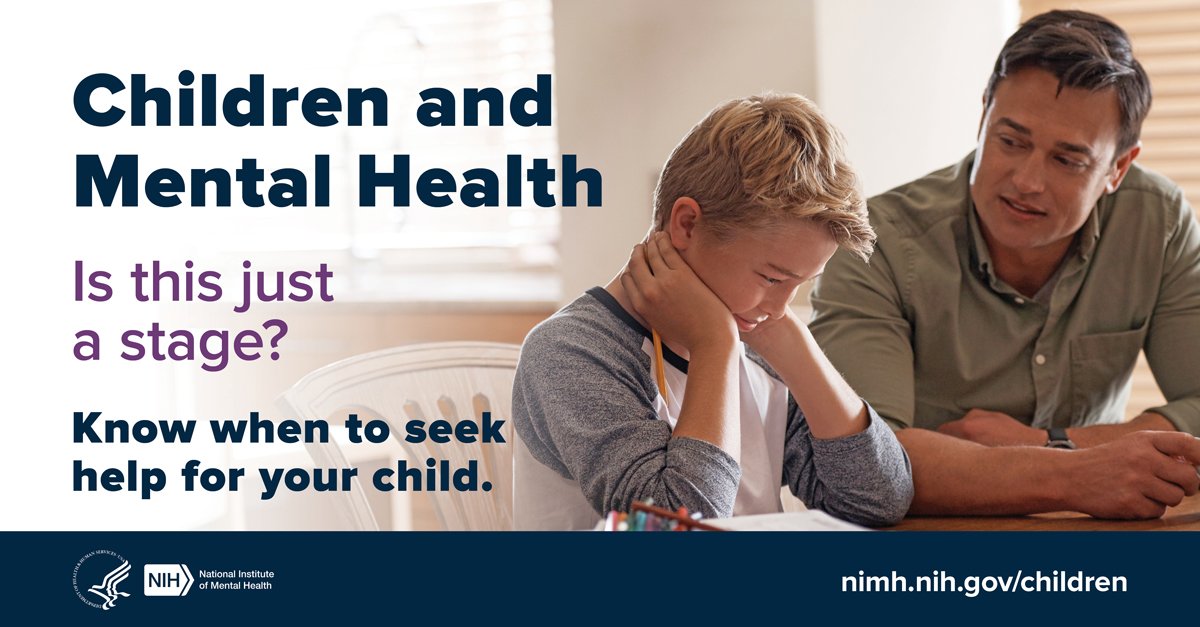
NIMH: Child and Adolescent Mental Health; Children and Mental Health: Is This Just a Stage? (National Institute of Mental Health)
CDC: Back-to-School youth resources; Sleep and Health; MMWR on insufficient sleep among students. (CDC)
U.S. Department of Education: Section 504 overview and parent guide; MSDE IEP Parent Guides. (U.S. Department of Education)
StopBullying.gov: Prevention and reporting guidance for families.
SAMHSA: 988 Suicide & Crisis Lifeline information. (SAMHSA)
Maryland Department of Health: Behavioral health resources for children, adolescents, and young adults. (Maryland.gov Enterprise Agency Template)


