.webp)
Adult Psychiatry: Understanding Mental Health Services for Adults
Adult psychiatry is a critical field focusing on diagnosing, treating, and preventing mental health disorders in adults. With an increasing awareness of mental health issues, the demand for psychiatric care has risen, highlighting the need for accessible, effective treatment options. This article provides an in-depth look at the landscape of adult psychiatry, covering common disorders, treatment approaches, and the importance of integrated care.

Page Content:
The Scope of Adult Psychiatry
Adult psychiatry deals with a broad spectrum of mental health conditions, ranging from anxiety and depression to more severe disorders like schizophrenia and bipolar disorder. According to the National Institute of Mental Health (NIMH), over 22.8% of U.S. adults experienced some form of mental illness in 2021 (NIMH Mental Illness statistics). These numbers underscore the pervasive nature of mental health issues and the necessity of accessible psychiatric services.

Common Mental Health Disorders in Adults
Depression: One of the most common mental health disorders, depression affects millions of adults globally. Characterized by persistent sadness, lack of interest in activities, and fatigue, it significantly impacts an individual's quality of life.
Anxiety Disorders: Anxiety disorders encompass conditions like generalized anxiety disorder (GAD), panic disorder, and social anxiety. These disorders manifest through excessive worry, restlessness, and physical symptoms such as palpitations or shortness of breath.
Bipolar Disorder: Bipolar disorder is marked by extreme mood swings, including episodes of mania and depression. It affects the patient's emotional and physical well-being, requiring long-term management.
Schizophrenia: A severe mental disorder, schizophrenia affects how a person thinks, feels, and behaves. Symptoms include hallucinations, delusions, and cognitive difficulties, often necessitating a combination of medication and therapy (NIMH) (NIMH).
The Importance of Psychiatric Care for Older Adults
Older adults face unique mental health challenges, including coping with the loss of loved ones, social isolation, and chronic health issues. Mental disorders such as depression and anxiety are common in this population but often go undiagnosed due to overlapping symptoms with physical illnesses like heart disease or diabetes (NIMH Older Adults and Mental Health). Recognizing these symptoms and providing timely psychiatric intervention can dramatically improve the quality of life for older adults.
At Caritas Behavioral Health Services in Columbia, MD, specialized services are offered to address these age-specific mental health concerns, ensuring that older adults receive the care and support they need to manage conditions such as depression, anxiety, and dementia
Treatment Approaches in Adult Psychiatry
Effective psychiatric care is often multidisciplinary, involving medication, psychotherapy, and lifestyle interventions:
Medication: Psychiatrists may prescribe antidepressants, antipsychotics, or mood stabilizers to manage symptoms of mental health disorders. For instance, medications such as SSRIs (selective serotonin reuptake inhibitors) are commonly used to treat depression and anxiety.
Psychotherapy: Cognitive-behavioral therapy (CBT), dialectical behavior therapy (DBT), and other forms of psychotherapy are integral to managing mental health disorders. Therapy helps patients develop coping strategies, improve communication skills, and alter negative thought patterns.
Integrated Care: Integrated care involves combining psychiatric treatment with primary care services, offering a more holistic approach to mental health management. This is particularly important for adults who may have co-occurring conditions like diabetes or cardiovascular disease, as mental health can significantly affect the course of physical illnesses (NIMH Mental Illness statistics).
Access to Psychiatric Services
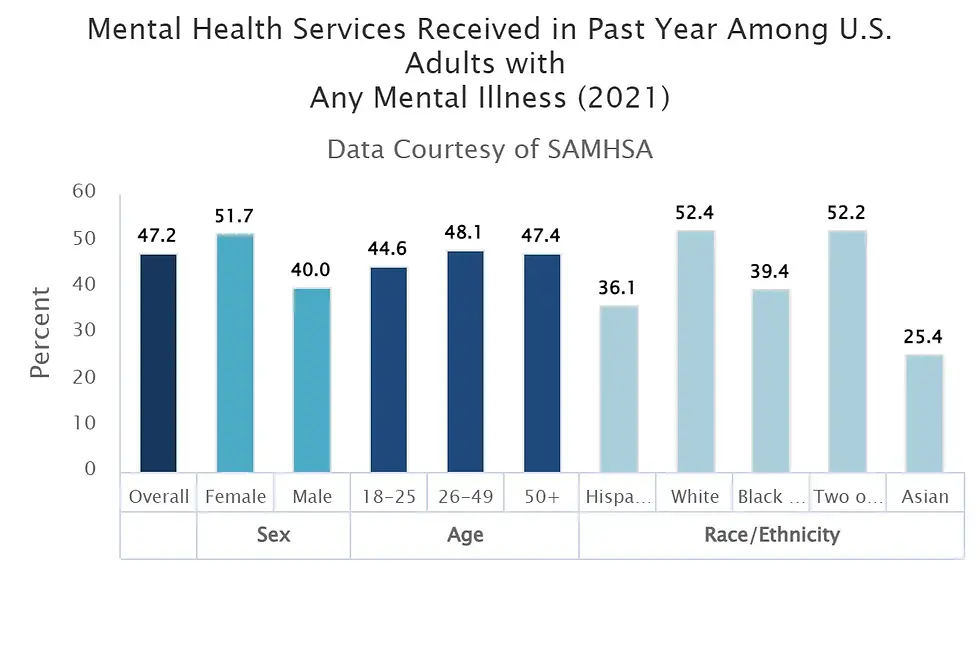
Despite the growing need for psychiatric services, barriers such as stigma, lack of resources, and geographical limitations can hinder access to care. Nearly half of the adults experiencing any mental illness (AMI) do not receive the necessary treatment. In 2021, only 47.2% of U.S. adults with AMI received mental health services (NIMH statistics Mental Illness). Addressing these barriers is crucial for improving mental health outcomes in the adult population.
Caritas Behavioral Health Services emphasizes removing these obstacles by providing accessible and compassionate care. Whether through outpatient services or more intensive interventions, the clinic aims to meet the varied needs of adult patients in Columbia, MD (NIMH Older Adults and Mental Health) (NIMH Bullying Exerts Psychiatric Effects Into Adulthood).
Promoting Mental Health in the Community
Beyond clinical treatment, raising awareness about the importance of mental health and promoting preventative care is essential. Community outreach, mental health education, and destigmatizing psychiatric care are vital strategies that Caritas Behavioral Health Services implements to ensure that more adults seek and receive timely care. Collaborations with organizations like the National Institute of Mental Health (NIMH) further enhance these efforts by providing updated resources and research-driven practices in adult psychiatry(NIMH Bullying Exerts Psychiatric Effects Into Adulthood).
Conclusion
Adult psychiatry plays a pivotal role in maintaining the mental health and well-being of individuals throughout adulthood. By addressing common disorders, offering comprehensive treatment options, and promoting integrated care, psychiatric services can significantly improve the quality of life for adults facing mental health challenges. Caritas Behavioral Health Services in Columbia, MD, stands at the forefront of these efforts, providing accessible, compassionate care to meet the mental health needs of adults in the community.


